
Behavioural Profiling for Engineering Teams
Our behavioural profiling for engineering teams assesses whether the individual members of your team have the characteristics of successful engineers, as well as whether there are adjustments that can be made to facilitate a closer, more productive relationship between team members.
What is the Goal of a Behavioural Profiling for Engineering Teams?
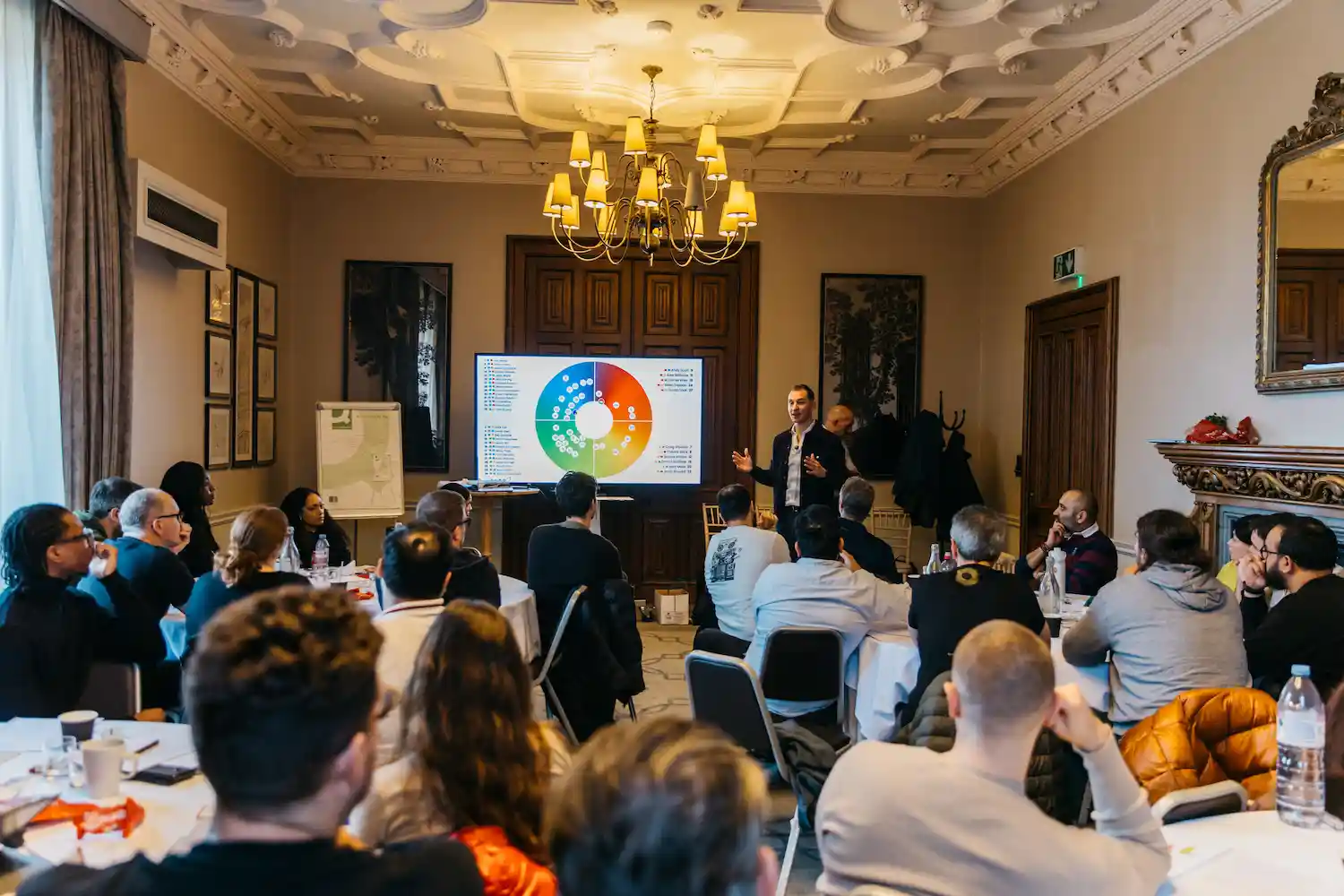
The goal of the C-me behavioural profiling is to enable team members and leaders to obtain useful insights and avail themselves of actionable advice that can be leveraged to create a more respectful, collaborative, and productive atmosphere.
There are many different kinds of engineers, but the best all share the same characteristics:
• The ability to think outside the box.
• An insatiable curiosity.
• A desire to continuously improve.
• A keen, analytical mind.
• The ability to work well with others.
• Outstanding communication skills.
• A detail-orientated personality.
• Well-developed critical thinking skills.
• First-class problem-solving skills.
•The ability to embrace change.
The C-me behavioural profiling for engineering teams uses a colour-coded system to simplify and facilitate an understanding of such complex characteristics. This system is much more effective than traditional assessment tools based solely on personality and produces personalised profiles that members of the team and team leaders can access to build interpersonal awareness and promote closer, more effective cooperation.
250 000+
reports completed
13 000+
team diagnostics or profiles completed
2 500+
organisations using C-me
About C-me
The team behind C-me has decades of combined experience coaching individuals, teams, and organisations using various profiling tools that were considered cutting edge at the time. What they discovered, however, was that these personality-focused assessment tools contained mechanisms that limited their ability to be applied in a meaningful, truly insightful fashion.
They became committed to producing a better, more effective behaviour-based assessment tool, and the result was C-me. Companies and organisations using C-me today to create high-performing teams include Oracle, HSBC, Virgin Active, the NHS, the BBC, and many more. In just 10 minutes, you too can discover what motivates the members of your engineering team and how they can work together more effectively to increase overall performance.
Learn More About Our Behavioural Profiling for Engineering Teams
The behavioural profiling for engineering teams reduces formerly hard-to-quantify behavioural and personality traits into a simple, easy-to-understand colour profiling system that can then be shared amongst all members of the team to improve understanding and collaboration.
To learn more, or to discuss implementing C-me for your workforce, contact us using the contact form on this website or by calling +44 (0)1225 721971. We look forward to hearing from you.












What our clients say about us
“C-me is a brilliant tool which continues to help our teams effectively communicate. Using C-me’s easy-to-understand language of colours, our global SLT, regional teams and future leaders are more self-aware of their own behaviours and can now navigate and understand how to flex their communication style to best suit their surroundings.”
Jack Pappard Senior Talent Development Manager, Ten Group
“We are at the beginning of the journey but the biggest benefit so far is that it has brought people together and helped us to open up about own areas for improvement, communication preferences and improve communication between and within teams.”
Natalia Gorbunova HR Manager, Mecalac
“C-me is a really important tool within our Organisational Development offer. It's a reasonably new offer but the feedback so far has been really positive in terms of insight, awareness and future considerations and colleagues are eager to do more work in this area.”

Sarah Engineer OD Consultant, The University of Sussex
How it works
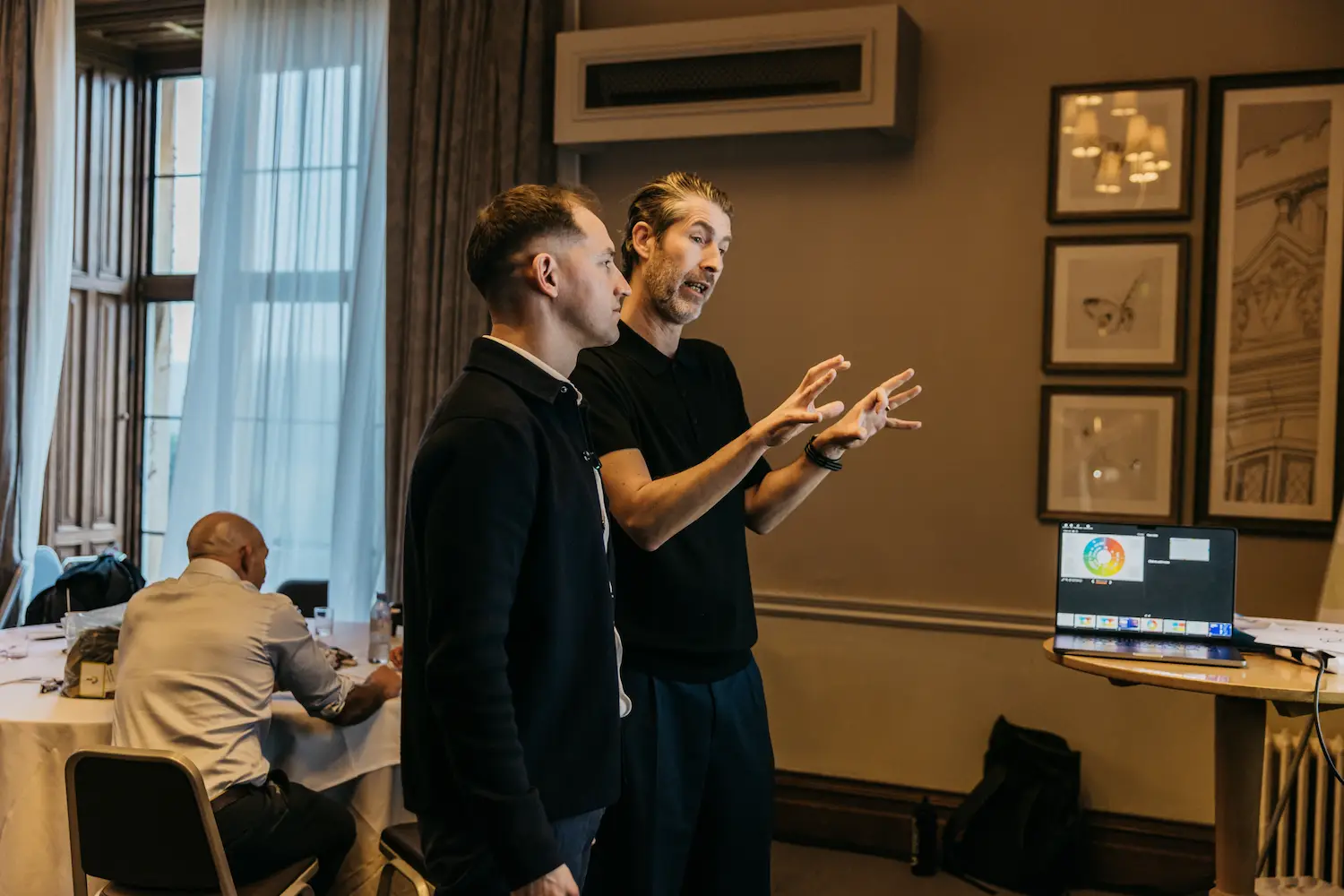
Our profiles boast an 85% accuracy rate, with the added flexibility for users to review and adjust the remaining 15%. This ensures that the final profile truly reflects the individual's unique characteristics.